Think about your current business systems for a moment.
Are your finance, inventory, sales, HR, and operations teams working from the same data? Or are they relying on separate tools, spreadsheets, and manual coordination?
As we move toward 2026, businesses are facing rapid transformation driven by automation, artificial intelligence, remote collaboration, stricter compliance standards, and increasing demand for data-driven decision-making. A traditional ERP system that simply records transactions is no longer sufficient.
The expectations surrounding ERP system features in 2026 are significantly higher than they were just a few years ago. Today, organizations need a modern ERP system that acts as a centralized system for business process automation, real-time data visibility, and strategic growth.
So what should an ERP system include in 2026?
In this guide, we break down the essential ERP system capabilities 2026 demands from core modules to intelligent automation and scalability requirements, helping you understand what truly defines a future-ready enterprise resource planning software.
The Shift from Traditional ERP to Intelligent ERP
Before diving into features, let’s step back and ask:
What has changed between legacy ERP systems and modern platforms?
Traditional ERP systems were often on-premise, rigid, and heavily dependent on manual data entry. They focused primarily on accounting and basic record-keeping. Integration was limited. Reporting was delayed.
In contrast, intelligent ERP software is:
- Cloud-native
- Highly integrated
- Data-driven
- Automation-focused
- AI-enabled
The rise of AI in ERP systems has transformed how businesses operate. Instead of just storing data, modern systems analyze patterns, predict demand, flag risks, and generate automated insights.
Another critical shift is real-time visibility. Businesses today cannot wait until month-end to evaluate performance. They need dashboards, alerts, and integrated workflows that reflect live data across departments.
Cloud ERP systems also allow remote access, secure collaboration, and seamless API integration ERP capabilities with e-commerce platforms, banking systems, logistics providers, and business intelligence tools.
The ERP system for digital transformation is no longer optional it is a competitive requirement.
Core ERP Modules Every System Must Include in 2026
Now let’s get practical.
If you were building an ERP system from scratch in 2026, what would be non-negotiable?
1. Financial Management & Real-Time Accounting

At the heart of every ERP lies the ERP accounting module.
A strong Financial management ERP should include:
- General ledger management
- Accounts payable and receivable
- Automated bank reconciliations
- Tax compliance and reporting
- Multi-currency support
- Audit-ready documentation
But in 2026, this module must go beyond bookkeeping. It should support real-time updates, automated journal entries, and integrated dashboards for profitability analysis.
Modern ERP reporting and analytics tools must allow finance leaders to make data-driven decisions instantly, not retrospectively.
2. Advanced Inventory & Supply Chain Management

Inventory complexity is increasing. Businesses operate across warehouses, cities, and even countries.
An advanced inventory management ERP must support:
- Real-time inventory tracking
- Multi-warehouse management
- Batch and serial tracking
- Stock reservations
- Inter-warehouse transfers
- Automated reorder levels
Additionally, supply chain ERP features should include:
- Demand forecasting
- Procurement automation
- Supplier performance tracking
- Lead-time monitoring
Without these capabilities, businesses risk stockouts, excess inventory, and working capital inefficiencies.
In fact, many modern cloud ERP systems like ERPNext demonstrate how integrated supply chain management improves operational efficiency by connecting procurement directly to inventory and finance in a centralized system.
3. Sales & Customer Management (CRM Integration)
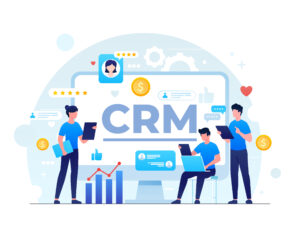
Sales operations cannot remain isolated from finance and inventory.
ERP CRM integration must enable:
- Lead-to-order tracking
- Customer-specific pricing rules
- Credit limit management
- Automated invoicing
- Payment tracking
- Customer analytics
A modern ERP system for business automation ensures that once a sales order is confirmed:
- Inventory is reserved
- Credit is checked
- Delivery is scheduled
- Accounting is updated
This reduces manual coordination and strengthens compliance management.
4. Manufacturing or Service Operations (Where Applicable)

For production-driven businesses, the ERP must include:
- Production planning
- Bill of Materials (BOM) management
- Job costing
- Work order tracking
- Capacity planning
Service organizations require:
- Project management
- Service scheduling
- Resource allocation
- Cost tracking
These are essential ERP modules for businesses in manufacturing, engineering, and professional services sectors.
5. Human Resource Management

A future-ready ERP HR module should include:
- Payroll integration
- Attendance and leave tracking
- Performance monitoring
- Compliance documentation
- Employee self-service portals
HR data must integrate with finance and operations to ensure accuracy and transparency.
Together, these core modules of an ERP system create a truly integrated business platform.
Must-Have Advanced Capabilities in 2026
Now let’s look beyond the basics.
What separates standard ERP from a future-ready one?
1. AI & Predictive Analytics
Predictive analytics ERP tools are becoming standard expectations.
AI in ERP systems enables:
- Sales forecasting
- Demand prediction
- Cash flow forecasting
- Risk alerts
- Fraud detection
- Automated insights
Instead of reacting to problems, businesses can act proactively.
2. Workflow Automation & Approval Systems
ERP workflow automation is critical for operational discipline.
Modern ERP approval workflows should support:
- Custom approval hierarchies
- Automated notifications
- Escalation triggers
- Digital document management
This reduces delays and improves accountability.
3. Cloud-Native & Mobile Accessibility
A true cloud ERP system must provide:
- Secure cloud infrastructure
- Remote access
- Mobile ERP access
- Multi-device compatibility
In 2026, flexibility is essential. Teams expect system access anywhere, anytime.
4. API & Third-Party Integrations
API integration ERP capabilities allow seamless connectivity with:
- E-commerce platforms
- Banking systems
- Payment gateways
- Logistics providers
- BI tools
An ERP that cannot integrate becomes a bottleneck.
5. Data Security & Compliance
Security is non-negotiable.
Modern ERP systems must include:
- Role-based access control
- Audit trails
- Data encryption
- Regulatory compliance readiness
These ERP implementation requirements are essential for trust and governance.
Scalability & Customization: Preparing for Growth
Imagine your company doubles in size within three years.
Can your ERP handle it?
ERP scalability features should allow:
- Adding new users easily
- Expanding warehouses and branches
- Supporting new currencies and tax rules
- Managing higher transaction volumes
Equally important are ERP customization options.
A modular architecture ensures businesses can activate additional modules as they grow.
For example, scalable business systems like ERPNext offer configurable workflows, dashboards, and modules, making them suitable as the best ERP system for growing businesses when implemented correctly.
User Experience & Adoption Factors
Even the most powerful ERP system fails if employees resist using it.
User experience and adoption factors include:
- Intuitive user interface
- Minimal training curve
- Dashboard personalization
- Role-based interfaces
A modern ERP system features clean navigation, simplified workflows, and contextual help tools.
Adoption determines ROI.
What Businesses Should Evaluate Before Choosing an ERP in 2026
Before selecting a system, ask yourself:
Have you created an ERP system requirements checklist?
Here are the key evaluation areas:
- Cloud vs on-premise deployment
- Total cost of ownership
- ERP implementation requirements
- Vendor support and ecosystem
- Industry-specific capabilities
- Upgrade and scalability roadmap
Understanding how to choose an ERP system requires balancing functionality, flexibility, and long-term vision.
An ERP system evaluation guide should compare features, integrations, reporting capabilities, and implementation timelines, not just pricing.
Common Mistakes to Avoid When Selecting an ERP System
Many ERP failures are preventable.
Avoid these mistakes:
- Choosing based only on price
- Ignoring ERP scalability features
- Over-customizing early
- Underestimating training and change management
- Skipping a proper ERP software comparison
The future of ERP systems in 2026 demands strategic thinking, not short-term decision-making.
Frequently Asked Questions
1. What features should an ERP system have in 2026?
ERP system features 2026 must include core modules (finance, inventory, CRM, HR), AI-powered analytics, workflow automation, cloud accessibility, integration capabilities, and strong security frameworks.
2. How does AI impact ERP systems?
AI in ERP systems enables predictive analytics, automated insights, demand forecasting, fraud detection, and risk alerts, transforming ERP from reactive to proactive.
3. What are the benefits of a cloud ERP system?
A cloud ERP system offers scalability, remote access, lower infrastructure costs, automatic updates, enhanced security, and better integration flexibility.
4. How do I choose the right ERP system for my business?
Start with an ERP system requirements checklist. Evaluate scalability, integration capabilities, industry fit, vendor support, total cost of ownership, and implementation roadmap.
Conclusion
The definition of enterprise resource planning software is evolving rapidly.
ERP system features 2026 are no longer limited to accounting and reporting. A modern ERP system must deliver intelligence, automation, integration, scalability, and real-time visibility across departments.
From core ERP capabilities like financial management and inventory control to advanced AI-driven forecasting and workflow automation, the ERP of 2026 is a strategic growth engine, not just an operational tool.
Businesses that invest in intelligent ERP software today position themselves for stronger operational efficiency, improved compliance management, and long-term scalability.
If you are evaluating ERP solutions or planning digital transformation initiatives, partnering with experienced consultants can make the difference between software installation and business transformation.
Kyle Solutions, one of the leading business solution providers in Calicut and across Kerala, helps organizations implement scalable and future-ready ERP systems aligned with their growth strategy.
The future of ERP systems 2026 belongs to businesses that choose wisely today.